
Yes, Sri Lanka is generally safe for tourists to visit right now, but travellers should plan carefully, follow official travel advice, avoid demonstrations, stay alert in crowded places, and use trusted travel arrangements.
As of 18 May 2026, major government travel advisories from the UK, Australia, Canada, and the United States do notadvise against all travel to Sri Lanka. However, they do advise travellers to use caution because of possible demonstrations, security risks, crime, weather disruptions, and the general risk of terrorism in crowded or tourist areas. The US advisory currently lists Sri Lanka as Level 2: Exercise increased caution, while Australia and Canada advise travellers to exercise a high degree of caution.
For most holidaymakers, Sri Lanka remains a beautiful and rewarding destination with culture, beaches, wildlife, tea country, waterfalls, Ayurveda, local food, and friendly hospitality. The key is to travel with a sensible itinerary, reliable transport, updated local information, and proper travel insurance.
Quick Answer: Is Sri Lanka Safe for Tourists in 2026?
Sri Lanka is open for tourism and tourists are travelling around the country. Popular destinations such as Colombo, Negombo, Sigiriya, Kandy, Nuwara Eliya, Ella, Yala, Galle, Mirissa, Bentota, Hikkaduwa, Trincomalee, and Pasikudah continue to welcome visitors.
However, travellers should not ignore safety advice. Official advisories recommend being aware of surroundings, avoiding demonstrations and large public gatherings, monitoring local news, and following local authority instructions. The UK travel advice specifically recommends avoiding crowded public places, staying aware of surroundings, keeping up with local media, and following local authority advice.
So the honest answer is:
Sri Lanka is safe to visit for most tourists who travel responsibly, but it is not a destination where you should travel without preparation.
Current Sri Lanka Travel Advisory Summary
| Country / Source | Current Advice Summary |
| United Kingdom | No blanket “do not travel” warning, but travellers should stay alert, monitor updates, and check flight or transit disruption. |
| Australia | Exercise a high degree of caution due to public demonstrations and security risks. |
| United States | Level 2: Exercise increased caution due to civil unrest, terrorism, and landmines in some areas. |
| Canada | Exercise a high degree of caution due to demonstrations, terrorism threat, and crime. |
The US advisory also warns that protests can happen with little notice and may disrupt transport or services, while Australia notes that demonstrations can affect traffic and public transport.
Why Tourists Still Visit Sri Lanka Safely
Sri Lanka’s main tourism routes are well-established. Most travellers visit popular areas with hotels, tour operators, guides, restaurants, attractions, and tourism support services.
Tourists commonly travel with private drivers, guided tours, hotel transfers, or trusted local tour operators. This makes the journey easier and safer, especially for first-time visitors, families, couples, solo travellers, and senior travellers.
A well-planned Sri Lanka tour helps avoid unnecessary risks such as late-night public transport, unreliable taxis, poorly planned long drives, bad weather routes, and unclear hotel locations.
Main Safety Things Tourists Should Know
1. Demonstrations and Public Gatherings
Demonstrations can happen in Sri Lanka, especially in city areas. Most tourists do not face problems when they avoid protests and political gatherings.
The safest advice is simple: if you see a protest, gathering, march, or large crowd, leave the area calmly. Do not stop to take photos, do not join the crowd, and do not try to pass through it.
Official advice from Australia says demonstrations can disrupt traffic and public transport, and travellers should avoid affected areas, follow local authority advice, and monitor media updates.
2. Crowded Places and Tourist Areas
Sri Lanka’s tourist sites, markets, transport hubs, beaches, temples, and festivals can become crowded. Travellers should stay alert, keep valuables secure, and avoid unnecessary attention.
The UK advice recommends avoiding crowded public places and staying aware of surroundings.
This does not mean tourists should avoid all attractions. It means you should travel sensibly, keep your belongings close, and use trusted transport, especially in busy locations.
3. Road Safety and Transport
Road travel is one of the biggest practical safety concerns for tourists in Sri Lanka. Roads can be busy, driving styles may be different from Europe, the UK, Australia, or the USA, and mountain roads can be narrow and winding.
For tourists, the safest and most comfortable option is usually a private vehicle with an experienced driver-guide. This is especially useful for routes such as Kandy to Nuwara Eliya, Nuwara Eliya to Ella, Ella to Yala, and Ella to the south coast.
Avoid rushing long routes in one day. A safe Sri Lanka itinerary should allow enough travel time, rest stops, and overnight stays.
4. Scams and Overcharging
Like many tourist destinations, Sri Lanka has occasional scams and overcharging, especially around transport, shopping, and unofficial guiding.
The US travel information warns that tuk-tuk drivers may overcharge foreigners and says rideshare apps such as PickMe and Uber can help travellers avoid scams. It also advises being careful with strangers offering unsolicited tours or services.
To stay safe, agree on prices before starting a ride or activity, use trusted drivers, book through reliable companies, and avoid people who pressure you into shopping or tours.
5. Weather, Floods, and Landslides
Sri Lanka is a tropical island, so weather conditions can change quickly. Heavy rain may cause flooding, landslides, delays, or route changes during monsoon periods.
Australia’s travel advice notes that flooding and landslides can occur during the monsoon seasons, from December to March in the northeast and May to October in the southwest. It also advises travellers not to cross or enter floodwaters.
If you are travelling during the rainy season, choose your route carefully. For example, the south and west coasts are usually more popular from December to March, while the east coast is usually better from May to September.
6. Central Mountain Road and Rail Conditions
Hill country destinations such as Kandy, Nuwara Eliya, Ella, Haputale, and Badulla are among the most beautiful parts of Sri Lanka, but mountain roads and rail routes can be affected by rain or repair work.
Australia’s latest advice says Cyclone Ditwah in November 2025 caused significant damage, especially in central mountain areas. It says most affected areas have now been cleared and tourist destinations are operating as usual, but travellers should still check road and rail conditions in central mountain districts including Kandy, Nuwara Eliya, Ella, surrounding areas, and the Mahaweli River Valley.
This is why it is useful to travel with a local operator who can adjust the route if needed.
Is Sri Lanka Safe for Families?
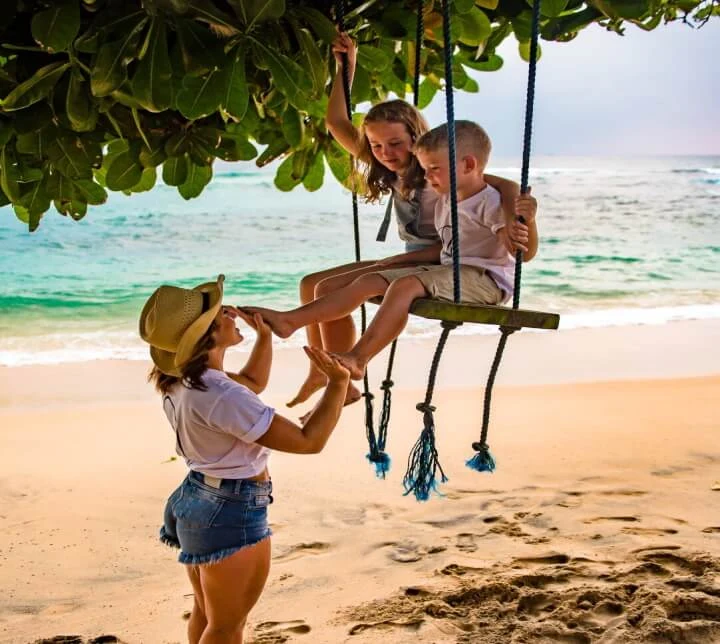
Yes, Sri Lanka can be a very good family destination when the itinerary is planned properly. Families can enjoy wildlife safaris, beaches, easy nature walks, cultural sites, train rides, waterfalls, turtle conservation experiences, boat rides, and family-friendly hotels.
For families with children, the safest approach is to avoid very rushed tours. Choose fewer hotel changes, private transport, pool-friendly hotels, and shorter travel days.
Family-friendly routes often include Negombo, Sigiriya, Kandy, Nuwara Eliya, Ella, Udawalawe, Galle, Bentota, or Colombo.
Is Sri Lanka Safe for Couples and Honeymooners?
Yes, Sri Lanka is popular for honeymooners and couples. Romantic destinations include Kandy, Nuwara Eliya, Ella, Yala, Mirissa, Galle, Bentota, Tangalle, and boutique beach resorts.
Couples should use trusted transport, avoid isolated places late at night, and choose hotels with good reviews and safe locations. For beach destinations, always follow sea-condition warnings because some beaches can have strong currents depending on season.
Is Sri Lanka Safe for Solo Travellers?
Sri Lanka can be safe for solo travellers, but solo travellers should be more careful with transport, night travel, and unfamiliar areas.
Solo travellers should use trusted accommodation, avoid walking alone late at night in quiet areas, keep family or friends updated, and use reliable taxis or private transfers.
Solo female travellers should take extra care, especially with late-night transport, isolated beaches, and unwanted attention. A private tour or day tours with trusted guides can make the trip much smoother.
Is Sri Lanka Safe for UK, Europe, Australia, USA, India and Middle East Travellers?
Yes, Sri Lanka welcomes travellers from the UK, Europe, Australia, USA, India, the Middle East, and many other regions. But each traveller should check their own government’s official travel advice before departure.
This is important because travel insurance, airline policies, visa requirements, and safety advice can differ depending on nationality and transit route.
For example, the UK advice currently mentions possible flight disruption through Middle Eastern hubs and advises travellers to check airline updates, transit-country advice, and travel insurance coverage.
Areas Tourists Should Be More Careful
Most popular tourist routes are suitable for visitors, but tourists should be more careful in:
Crowded markets and bus/train stations
Political gathering areas
Remote areas without a local guide
Isolated beaches after dark
Unfamiliar nightlife areas
Mountain roads during heavy rain
Northern and eastern off-road areas with warning signs
The US advisory specifically warns travellers to avoid going off well-used roads, tracks, and paths in certain northern and eastern areas due to unexploded ordnance and landmine risks.
Normal tourist routes do not usually require travellers to go into these areas, but adventure travellers and photographers should be cautious.
When Not to Travel or When to Change Your Plan
You do not always need to cancel your Sri Lanka holiday because of general travel advisories, but you should change your plan if:
Your route is affected by flooding, landslides, or road closures
Your flight connection is disrupted
There are major demonstrations near your hotel or travel route
Your travel insurance does not cover your planned activities
You are planning remote travel without a guide
You are travelling during bad sea conditions for boat trips
You are unwell before departure
The best option is to keep your itinerary flexible, especially during monsoon periods or busy festival times.
Practical Safety Tips for Tourists in Sri Lanka
Use a trusted tour operator or verified transport provider.
Keep a copy of your passport, visa, travel insurance, and hotel bookings.
Carry your passport or identification when travelling because police and military checkpoints may request identification. The US travel information notes that travellers may be detained at checkpoints if they do not have their passport with them.
Avoid demonstrations and political gatherings.
Use hotel safes where available.
Do not carry too much cash in crowded areas.
Respect local customs at temples and religious sites.
Do not take photos of military buildings, checkpoints, or high-security areas.
Avoid swimming where there are red flags, rough waves, or no lifeguards.
Keep extra travel time for mountain roads and airport transfers.
Buy proper travel insurance before departure.
Health and Travel Insurance Advice
Travel insurance is strongly recommended for Sri Lanka. Your insurance should cover medical treatment, trip delays, cancellations, lost luggage, and planned activities such as hiking, safaris, surfing, diving, or whale watching if you intend to do them.
The UK travel advice says travellers should research destinations and get appropriate travel insurance that covers the itinerary, planned activities, and emergency expenses.
For health, travellers should take normal tropical travel precautions such as using mosquito repellent, drinking safe water, eating from clean restaurants, and checking medical advice before travelling.
Emergency Numbers in Sri Lanka
Travellers should keep emergency contacts saved before starting the tour.
| Service | Number |
| Police | 119 or 118 |
| Fire and rescue | 110 |
| Medical emergency | 110 |
| Tourist Police | +94 11 242 1052 or +94 11 238 2209 |
| Sri Lanka Tourist Hotline | 1912 |
Australia’s Smartraveller page lists emergency numbers including 110 for fire, rescue, and medical emergencies, 118 or 119 for police, and Tourist Police contact numbers. The UK page also mentions the Sri Lankan Tourist Hotline 1912.
Best Way to Travel Safely in Sri Lanka
The safest and most comfortable way to explore Sri Lanka is with a well-planned private tour. This is especially helpful if you are visiting for the first time, travelling with family, arriving late at night, or visiting multiple destinations.
A private tour helps with:
Airport pickup and drop-off
Safe route planning
Reliable driver-guide support
Hotel coordination
Weather-related route changes
Avoiding unnecessary public transport stress
Better travel timing between destinations
Local advice during the tour
At Look Lanka Tours, we plan itineraries based on travel dates, guest type, hotel preference, route safety, realistic travel times, and local conditions.
FAQs About Sri Lanka Travel Safety
1. Is Sri Lanka safe to travel right now?
Yes, Sri Lanka is generally safe for tourists who travel responsibly. However, official advisories recommend caution because of possible demonstrations, security risks, crime, weather issues, and general terrorism risk in crowded places.
2. Are tourists still visiting Sri Lanka?
Yes, tourists are travelling around Sri Lanka’s main destinations, including Colombo, Sigiriya, Kandy, Nuwara Eliya, Ella, Yala, Galle, Mirissa, Bentota, and Trincomalee.
3. Is Sri Lanka safe for families?
Yes, Sri Lanka can be a safe and enjoyable family destination when the route is planned well. Families should use private transport, choose good hotels, avoid rushed itineraries, and keep travel times realistic.
4. Is Sri Lanka safe for solo female travellers?
Sri Lanka can be safe for solo female travellers, but extra care is recommended. Use trusted transport, avoid isolated areas at night, choose reliable hotels, and keep someone updated about your travel plan.
5. Are demonstrations common in Sri Lanka?
Demonstrations can happen from time to time, mainly in city areas. Tourists should avoid protests and large gatherings because they can disrupt transport and may change quickly.
6. Is public transport safe in Sri Lanka?
Many tourists use trains and buses, but private transport is safer and more comfortable for multi-day tours. The US travel information advises caution with public buses due to harassment and theft risks.
7. Is Sri Lanka safe during monsoon season?
Sri Lanka can be visited year-round, but monsoon rain can cause flooding, landslides, and delays in some regions. Travellers should choose the correct coast for the travel month and stay flexible during heavy rain.
8. What is the safest way to travel around Sri Lanka?
The safest way for most tourists is a private tour with a reliable driver-guide, carefully selected hotels, and a route planned according to weather, travel time, and guest comfort.