Sri Lanka is a beautiful island full of beaches, mountains, wildlife, and culture. If you’re planning a trip, it’s helpful to know a few key things that can make your visit smoother and more enjoyable. From visa rules to local customs, here are the 5 most important tips for travelers.
1. Visa Confusion
One of the first things travelers notice when planning a trip to Sri Lanka is the visa process. It can seem confusing at first, but it’s actually quite simple if you know what to do.
All visitors must apply for an Electronic Travel Authorization (ETA) online before they arrive. This approval is required, so make sure to apply a few days before your flight.
The official website, eta.gov.lk, is the safest place to apply. Once approved, your ETA will allow you to stay in Sri Lanka according to your visa type.
Most tourists are granted 30 days upon arrival, and if you want to stay longer, you can easily apply for an extension at the Department of Immigration and Emigration by paying the required visa fee. https://www.immigration.gov.lk/
To avoid confusion, always check the latest ETA rules, keep a copy of your approval (digital or printed), and stay updated on any changes. Being prepared will save you from last-minute surprises at the airport.
2. Best Season to Visit Sri Lanka
Sri Lanka is a tropical country with 2 main monsoon seasons, so the best time to visit depends on where you want to go and what you want to do.
From December to March,
The west and south coasts, as well as the hill country, enjoy dry and sunny weather.
This is perfect for beach holidays in places like Bentota, Unawatuna, and Weligama, or sightseeing in the hill country around Ella, Nuwara Eliya, and Kandy. Wildlife safaris in Yala or Udawalawe are also ideal during this season.
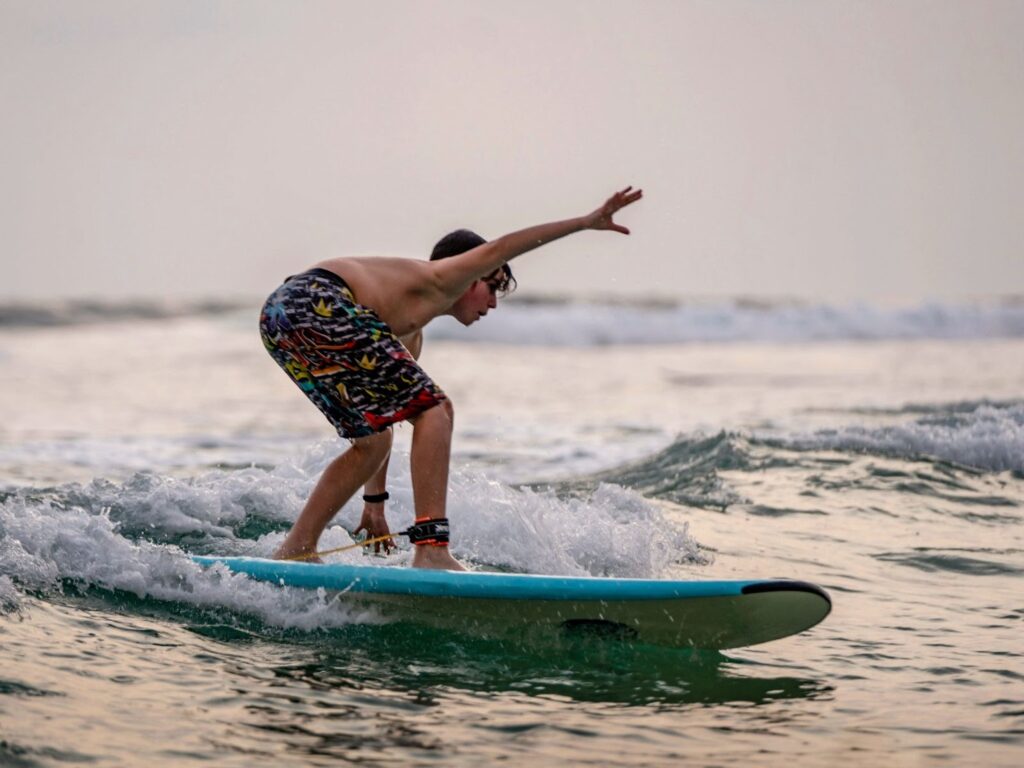
The east coast has its best weather from May to September, making it perfect for beaches in Trincomalee, Nilaveli, or Pasikudah. This is also the prime season for surfing at Arugam Bay and enjoying whale watching in Mirissa.
The hill country and western/southern coasts can be affected by the southwest monsoon from May to September, bringing rain. During this time, indoor cultural activities or visiting tea estates are good alternatives. The northeast monsoon occurs from October to January, affecting the east coast, while the west and south are sunny again.
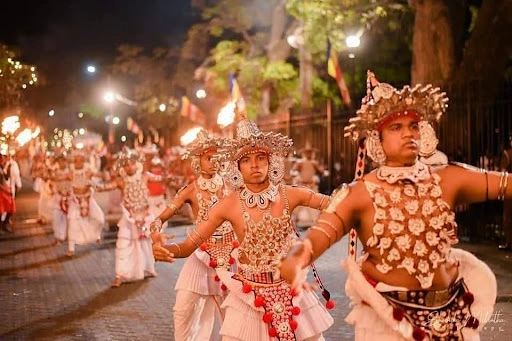
Some special events also happen depending on the season. For example, the Kandy Esala Perahera in July/August is a colorful and unforgettable cultural festival. Planning your trip around these events can make your experience even more memorable.
3. Local Transport
Getting around Sri Lanka is an adventure itself. The island offers many options depending on your budget and travel style.
For budget travelers, public buses are cheap and convenient. There are city buses for short trips and highway buses connecting major cities like Colombo to Kandy or Galle. Just keep in mind that buses can get crowded during peak hours.
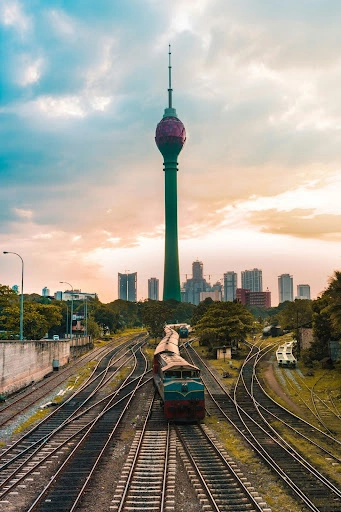
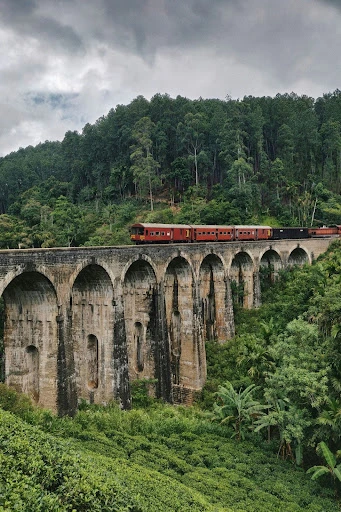
Trains are another popular option, especially in the hill country. They are scenic and comfortable, with tickets available in 1st, 2nd, and 3rd class.
- First class offers air-conditioned, reserved seats;
- Second class is comfortable with semi-reserved seating;
- Third class is the cheapest, though seats aren’t guaranteed.
The routes from Colombo to Kandy, Kandy to Ella, and Colombo to Galle are especially beautiful.
In cities like Colombo, Kandy, and Galle, you can also use ride-hailing apps like PickMe, Uber, Heal Go. They are convenient for city travel, and you can even hire a private driver for sightseeing tours, making your trip stress-free. https://looklanka.com/sri-lanka-car-rental-with-driver/
Tuk-tuks are everywhere and fun for short distances, but some drivers may quote high prices to tourists, so always agree on a fare before starting your ride. For travelers on a tight budget, tuk-tuks, buses, and trains are the most affordable ways to get around.
4. Money and Payment
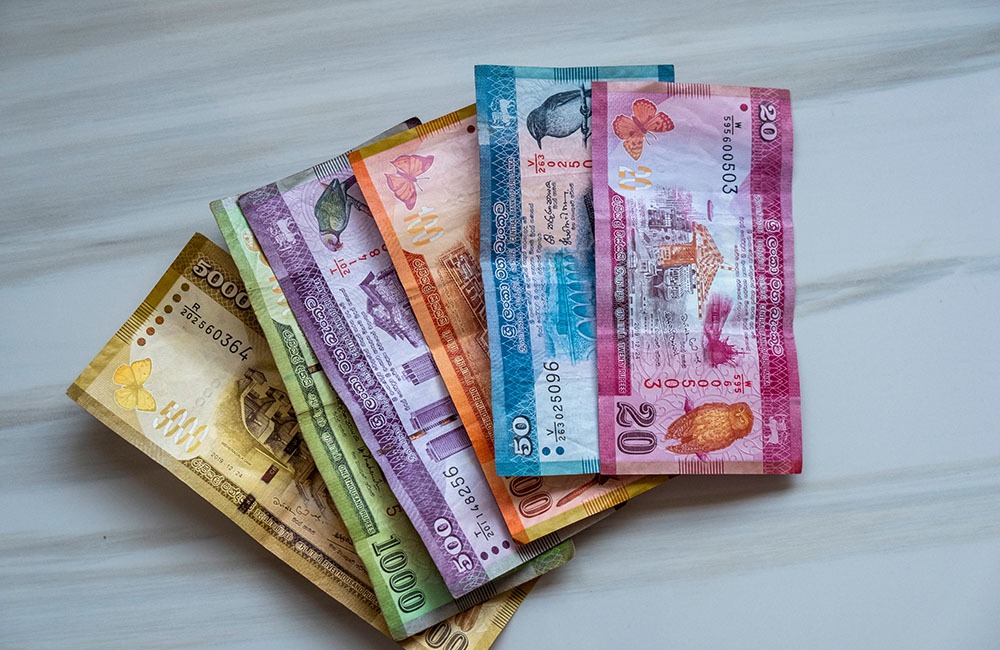
Sri Lanka’s official currency is the Sri Lankan Rupee (LKR).
Notes come in 20, 50, 100, 500, 1000, 2000 and 5000 rupees, with coins in smaller denominations.
You can exchange foreign money at several places. At Bandaranaike International Airport (Colombo) there are bank counters and authorized currency exchange counters. They are safe and legal, though the rates are slightly lower than in city banks.
Tip: Exchanging a small amount at the airport is a good idea to cover taxis or buses when you first arrive.
Banks and authorized money changers in cities like Colombo, Kandy, and Galle usually offer better rates. Always check the current exchange rate and keep receipts for large exchanges. Avoid exchanging money on the street.
ATMs are widely available in cities and tourist areas, accepting Visa, MasterCard, and Cirrus cards. However, in smaller towns, cash is usually necessary. Credit and debit cards are accepted in hotels, restaurants, and shopping malls, while mobile payments are becoming more common. For taxis, tuk-tuks, and street food, cash is preferred.
Tip: Carry a mix of cash and cards, and inform your bank of your travel plans to avoid blocked cards.
5. Cultural Tips
Sri Lanka is more than just beautiful beaches and green hills, it is a land where culture, faith, and daily life are deeply connected. As you travel across the island, you’ll notice how respect for traditions opens doors to warmer smiles and richer experiences.
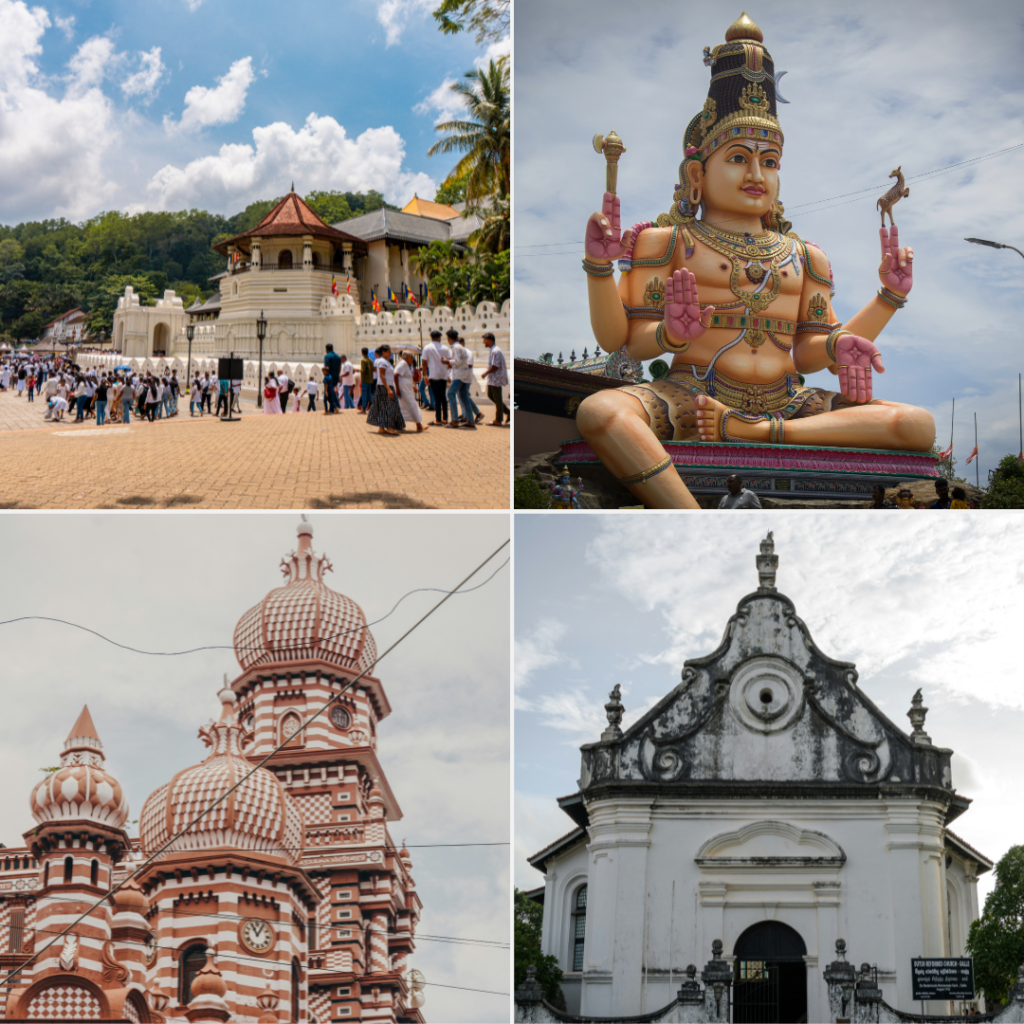
From the sacred Temple of the Tooth Relic (Dalada Maligawa) in Kandy to the spiritual town of Katharagama, religious sites play an important role in Sri Lankan life. In Colombo, the striking Red Mosque (Rathu Palliya) stands as a symbol of Islamic heritage, while in Trincomalee, the famous Koneswaram Kovil sits dramatically on a cliff overlooking the Indian Ocean. These places are not just landmarks, they are living spaces of worship.
When visiting temples, mosques, or kovils, dressing modestly is essential. Avoid sleeveless tops, shorts, or skirts above the knee.
Because of Sri Lanka’s warm tropical climate, lightweight and breathable clothing works best. A shawl or scarf in your bag can be a lifesaver when you need to cover your shoulders or legs before entering a sacred place.
Before stepping inside, remember to remove your shoes and hats. Keep your voice low, move slowly, and observe the peaceful atmosphere around you. Public displays of affection are generally discouraged, and it’s always polite to ask before photographing locals or religious ceremonies, a small gesture that shows big respect.
One of the most magical ways to experience Sri Lankan culture is through its festivals. Witnessing the Kandy Esala Perahera, with its traditional dancers, drummers, and beautifully decorated elephants, is an unforgettable moment that stays with you long after your journey ends.
Even outside religious sites, simple cultural habits matter. Removing shoes when entering some homes, greeting people with a smile, and respecting local customs will help you connect more deeply with the people you meet along the way.
Traveling in Sri Lanka is an adventure filled with natural beauty, ancient history, and vibrant traditions. By understanding visa requirements, choosing the best season to visit, learning about local transport, managing money wisely, and respecting cultural customs, you’ll enjoy a smooth journey and leave with memories that feel truly meaningful.