
Packing for Sri Lanka is not difficult, but it is important to pack smart. Sri Lanka is a tropical island with beaches, ancient temples, wildlife parks, tea country, waterfalls, train journeys, and warm local culture. This means your bag should be light, practical, respectful for cultural visits, and ready for both sunshine and sudden rain.
For travelers from Germany, Poland, Belgium, Italy, the United Kingdom, Australia, and other long-haul markets, Sri Lanka can feel very different from home. The coast is warm and humid, the hill country can be cool in the evenings, and temple visits require modest clothing. The Department of Meteorology lists Sri Lanka’s main seasonal rainfall patterns as Northeast Monsoon, First Intermonsoon, Southwest Monsoon, and Second Intermonsoon, so a light rain jacket is useful in most months.
The simple answer is this: pack light cotton clothing, modest temple wear, comfortable walking shoes, swimwear, sun protection, mosquito repellent, a light rain jacket, travel insurance documents, and any personal medication in original packaging.
Quick Sri Lanka Packing List
| Category | What to Pack |
| Clothing | Light cotton clothes, breathable shirts, shorts, casual dresses, linen trousers |
| Temple wear | Clothes covering shoulders and knees, scarf or shawl |
| Beach items | Swimwear, beach cover-up, sandals, dry bag |
| Hill country | Light jacket, long trousers, socks, comfortable shoes |
| Safari | Neutral-colour clothes, hat, sunglasses, binoculars if available |
| Rain protection | Light rain jacket, small umbrella, waterproof phone pouch |
| Health | Mosquito repellent, sunscreen, personal medication, basic first-aid items |
| Documents | Passport, visa approval, travel insurance, hotel and tour confirmations |
| Electronics | Universal travel adapter, power bank, phone charger, camera |
| Family travel | Snacks, child medication, sun hats, swimwear, entertainment for drives |
1. Lightweight Clothing for Tropical Weather
Sri Lanka is warm in most areas, especially along the coast, in Colombo, Galle, Bentota, Mirissa, Trincomalee, Pasikudah, Sigiriya, and Yala. Light and breathable clothing will help you stay comfortable during sightseeing, transfers, beach days, and local walks.
Pack:
Light cotton T-shirts
Linen shirts
Breathable trousers
Comfortable shorts for beach and hotel areas
Casual dresses or skirts
Light sleepwear
Underwear and socks
A few smart-casual outfits for boutique hotels or dinners
Avoid packing too many heavy clothes. Laundry service is available in many hotels, so most travelers do not need a large suitcase for a 10 to 14 day Sri Lanka tour.
2. Modest Clothing for Temples and Cultural Sites
Sri Lanka has many important Buddhist and Hindu religious sites, including the Temple of the Tooth in Kandy, Dambulla Cave Temple, Anuradhapura, Polonnaruwa, Kataragama, Koneswaram Temple, and Seetha Amman Temple.
When visiting temples, travelers should dress respectfully. As a simple rule, cover your shoulders and knees. A light scarf or shawl is very useful because it can quickly cover your shoulders when entering a temple.
Pack:
T-shirts or tops with sleeves
Long skirt, long dress, or loose trousers
Light scarf or shawl
Easy-to-remove sandals
Australia’s Smartraveller advises visitors to respect Sri Lanka’s conservative dress and behaviour standards, and also notes that mistreating Buddhist images is illegal, including disrespectful photos or clothing connected with Buddhist images.
3. Swimwear and Beach Essentials
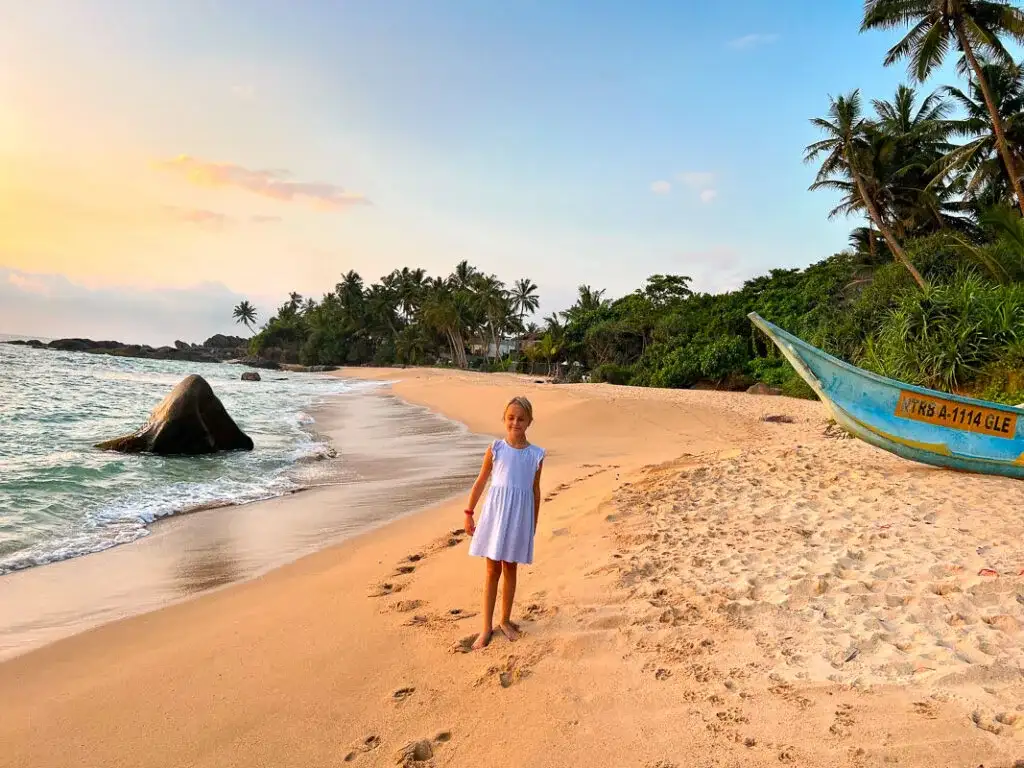
Sri Lanka is a wonderful beach destination, but the best coast depends on your travel month. The South and West Coast beaches such as Bentota, Hikkaduwa, Unawatuna, Weligama, Mirissa, and Tangalle are usually better from November to April. The East Coast beaches such as Trincomalee, Nilaveli, Uppuveli, Pasikudah, and Arugam Bay are usually better from May to September.
For beach days, pack:
Swimwear
Beach cover-up
Flip-flops or sandals
Sunglasses
Sun hat
Reef-safe sunscreen if possible
Small dry bag
Light beach towel if you prefer your own
For families, it is also useful to pack children’s swimwear, rash vests, sun hats, and familiar snacks for longer beach days.
4. Light Jacket for Hill Country
Many travelers are surprised that Sri Lanka’s hill country can feel cool, especially in Nuwara Eliya, Ella, Haputale, Horton Plains, and tea plantation areas. You do not need winter clothing, but you should pack one light warm layer.
Pack:
Light jacket or fleece
Long trousers
Socks
Comfortable shoes
Light scarf if you feel cold easily
This is especially useful if your itinerary includes Nuwara Eliya, Horton Plains, Adam’s Peak, early morning train rides, or sunrise hikes.
5. Comfortable Shoes for Sightseeing
Sri Lanka tours often include walking through temples, forts, gardens, tea plantations, safari lodges, local markets, and heritage sites. Comfortable footwear is more important than stylish footwear.
Pack:
Comfortable walking shoes
Sandals or flip-flops
Easy-to-remove footwear for temple visits
Optional water shoes for rocky beaches or waterfalls
For Sigiriya Rock, Dambulla Cave Temple, Little Adam’s Peak, or village walks, proper walking shoes are better than flip-flops.
6. Safari Packing List
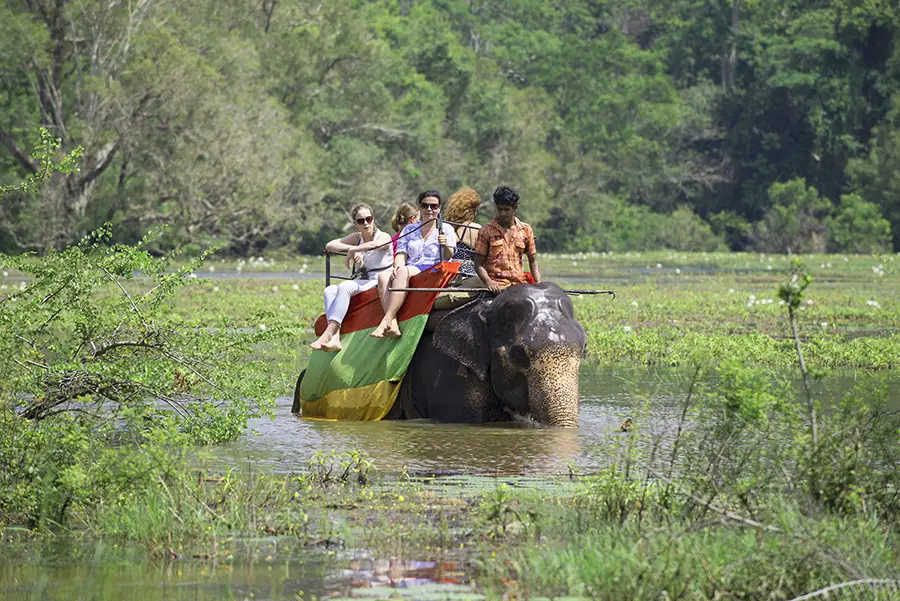
If your Sri Lanka itinerary includes Yala, Udawalawe, Wilpattu, Minneriya, Kaudulla, or Hurulu Eco Park, pack a few simple safari essentials.
Pack:
Neutral-colour clothing
Light long-sleeve shirt
Hat or cap
Sunglasses
Camera or phone with enough storage
Power bank
Binoculars if you have them
Small backpack
Mosquito repellent
Avoid very bright clothing for safari. Neutral colours such as beige, olive, grey, or light brown are more suitable for wildlife viewing.
7. Rain Jacket and Monsoon Preparation
Sri Lanka can have short tropical showers even during good travel months. You do not need heavy rain gear, but a light waterproof jacket or compact umbrella is useful.
Pack:
Light rain jacket
Small umbrella
Waterproof pouch for phone
Dry bag for camera or documents
Quick-dry clothing
The Department of Meteorology provides rainfall and warning information, including heavy rain, lightning, strong wind, rough seas, and heat index advisories, so travelers should stay flexible and check local weather during the trip.
8. Mosquito Repellent and Health Items
Mosquito protection is important in Sri Lanka, especially in tropical and lowland areas. Dengue and other mosquito-borne illnesses can occur, so repellent is a must-pack item.
Pack:
Mosquito repellent
Sunscreen
After-sun lotion
Personal medicine
Plasters
Basic stomach medicine
Rehydration salts
Motion sickness tablets if needed
Hand sanitizer
Small tissue pack
The UK travel advice for Sri Lanka recommends checking health risks before travel, including dengue, chikungunya, and Zika, while Smartraveller also advises using mosquito repellent and notes that dengue risk can increase during monsoon periods.
9. Prescription Medication and Travel Insurance
Bring any personal medication you need from home. Keep it in original packaging and carry a prescription or doctor’s letter where possible, especially for regular medication.
Pack:
Personal medication in original packaging
Doctor’s prescription or letter
Travel insurance details
Emergency contact details
Copies of important medical information
The UK Foreign Travel Advice notes that medicine laws and regulations can differ by country, and travelers should follow best practice when travelling with medicines. It also strongly advises appropriate travel insurance, especially because private medical care and emergency evacuation can be expensive.
10. Travel Documents to Pack
Before leaving home, keep both printed and digital copies of important documents. This is especially useful for private tours, hotel check-ins, airport transfers, and emergency situations.
Pack:
Passport
Sri Lanka visa approval or ETA confirmation
Flight tickets
Travel insurance document
Hotel confirmations
Tour itinerary
Driver or tour operator contact details
Emergency contact numbers
Copy of passport saved on phone and email
It is also useful to keep one printed copy of the itinerary in your hand luggage, especially if you are arriving late at night or travelling with children.
11. Electronics and Travel Adapter
Sri Lanka uses 230V electricity and a mix of plug types, commonly Type D, Type G, and sometimes Type M. Travelers from Europe and Australia should bring a universal adapter, while UK travelers may find Type G sockets more familiar but should still carry a universal adapter for safety.
Pack:
Universal travel adapter
Phone charger
Power bank
Camera charger
Extra memory card
Portable headphones
Waterproof phone pouch
Small torch if staying in nature lodges
Most modern phone and laptop chargers support 100–240V, but always check your charger label before travel.
12. What to Pack for Families with Children
Sri Lanka is a very family-friendly destination, but long drives, warm weather, and early safari starts are easier when families pack carefully.
Pack:
Children’s sunscreen
Child-safe mosquito repellent
Sun hats
Swimwear and rash vests
Favourite snacks
Reusable water bottle
Small toys or books for drives
Child medication
Wet wipes
Light blanket or travel pillow
Extra clothes for travel days
For families from Europe, the UK, and Australia, it is better to pack familiar essentials for babies and young children, especially if the child uses a specific brand of formula, medicine, or skin-care product.\
13. What to Pack for Honeymoon Couples
For honeymooners, Sri Lanka usually includes a mix of boutique stays, beach resorts, scenic train journeys, safaris, candlelight dinners, and cultural sites.
Pack:
Light smart-casual outfits
Comfortable sightseeing clothes
Swimwear
Beachwear
Light evening dress or shirt
Camera or phone tripod
Small day bag
Sunscreen and after-sun lotion
Avoid overpacking formal clothes. Most Sri Lanka hotels and restaurants are relaxed, but a few smart-casual outfits are useful for romantic dinners and boutique hotel stays.
14. What to Pack for Adventure and Nature Tours
If your itinerary includes hiking, waterfalls, cycling, surfing, safaris, bird watching, or camping-style experiences, pack more practical clothing.
Pack:
Quick-dry clothes
Comfortable hiking shoes
Small backpack
Refillable water bottle
Hat
Sunglasses
Light rain jacket
Insect repellent
Waterproof phone pouch
Power bank
For hikes like Little Adam’s Peak, Ella Rock, Pidurangala, or Horton Plains, comfort and grip are more important than fashion.
15. What Not to Pack Too Much Of
You do not need to pack everything from home. Sri Lanka has pharmacies, supermarkets, clothing shops, and convenience stores in main towns. However, specialist brands may not always be available outside Colombo.
Do not overpack:
Heavy jackets
Too many jeans
Expensive jewellery
High heels for sightseeing
Large hard suitcase for short trips
Too many formal outfits
Too many toiletries
For a private Sri Lanka tour, a medium suitcase plus a small day bag is usually enough.
16. Packing by Region
For Colombo and Galle
Pack light casual clothing, comfortable shoes, sunglasses, and one smart-casual outfit for restaurants.
For Sigiriya and Cultural Triangle
Pack breathable clothes, temple wear, walking shoes, hat, sunscreen, and mosquito repellent.
For Kandy
Pack modest clothing for the Temple of the Tooth, comfortable shoes, and a light evening layer.
For Nuwara Eliya and Ella
Pack a light jacket, long trousers, socks, walking shoes, and rain protection.
For Yala and Udawalawe
Pack neutral clothes, hat, sunglasses, camera, mosquito repellent, and a small backpack.
For South Coast Beaches
Pack swimwear, sandals, sunscreen, sunglasses, beach cover-up, and light evening clothes.
For East Coast Beaches
Pack swimwear, reef-safe sunscreen, light clothes, snorkeling-friendly items, and a dry bag.
17. Packing by Travel Month
December to April
This is the popular season for South and West Coast beach holidays. Pack light summer clothing, beachwear, sunscreen, temple wear, and a light jacket for hill country.
May to September
This is a better period for East Coast beach holidays. Pack beachwear, sun protection, light rain protection, and comfortable clothing for cultural sites.
October and November
These months can be more mixed. Pack flexible clothing, a light rain jacket, waterproof pouch, and footwear suitable for wet ground.
Our Honest Recommendation
For most travelers, Sri Lanka is best enjoyed with light and practical packing. You do not need a very large suitcase, but you do need the right mix of tropical clothing, modest temple wear, sun protection, mosquito repellent, comfortable shoes, and a light rain jacket.
For European, UK, and Australian travelers, the most important packing mistake is forgetting that Sri Lanka is not only a beach destination. You may experience warm beaches, cool tea country, sacred temples, early morning safaris, and short tropical rain in the same trip.
Pack light, dress respectfully, stay comfortable, and keep your daily travel bag ready for sightseeing.
FAQs: What to Pack for Sri Lanka
What clothes should I wear in Sri Lanka?
Light cotton and linen clothes are best for Sri Lanka’s warm weather. For temples, wear clothing that covers your shoulders and knees.
Do I need a jacket in Sri Lanka?
Yes, bring one light jacket if you are visiting Nuwara Eliya, Ella, Horton Plains, or other hill country areas. Evenings and early mornings can feel cool.
Do I need mosquito repellent in Sri Lanka?
Yes. Mosquito repellent is highly recommended, especially in lowland, beach, safari, and rural areas. Dengue and other mosquito-borne illnesses can occur in Sri Lanka.
What shoes should I pack for Sri Lanka?
Bring comfortable walking shoes and sandals. Walking shoes are useful for Sigiriya, Dambulla, Ella, tea plantations, and city sightseeing. Sandals are useful for beaches and temples.
Can I wear shorts in Sri Lanka?
Yes, shorts are fine for beaches, hotels, and casual sightseeing. For temples and religious sites, cover your knees and shoulders.
What should I pack for a Sri Lanka safari?
Pack neutral-colour clothes, sunglasses, hat, camera, mosquito repellent, and a small backpack. Early morning safaris can be cooler, so a light layer may help.
Do I need a travel adapter for Sri Lanka?
Yes, it is best to bring a universal travel adapter. Sri Lanka commonly uses Type D, Type G, and sometimes Type M sockets with 230V electricity.
Should I bring cash to Sri Lanka?
Yes, bring some cash for small purchases, tips, local shops, and rural areas. Cards are accepted in many hotels and larger restaurants, but cash is still useful during tours.