
Sri Lanka remains one of the most beautiful travel destinations in the world. Beaches, tea hills, ancient temples, wildlife, and rich culture attract travellers from everywhere. But many people still ask: Is it safe to visit Sri Lanka right now in 2026? In this blog, we will explain the safety situation clearly, section by section.
1. Government and Current Situation (2022–2026)
Since the economic and political crisis of 2022–2023, Sri Lanka has worked hard to stabilise the nation. By 2024, the government restored fuel, electricity, and medicine supplies in most areas, and tourism became a key priority for economic recovery. Major cities, airports, hotels, and attractions now operate normally, helping travellers feel confident visiting the island.
Tourism Recovery & Growth:
- In 2024, Sri Lanka received 2,053,465 international tourists, showing a strong recovery from the crisis years. Ceylon Today
- In 2025, arrivals rose further to 2,362,521 visitors, the highest number in Sri Lanka’s history, surpassing the previous record set in 2018. Ceylon Today
These figures show that Sri Lanka’s tourism sector not only rebounded but continues to attract more visitors each year, reinforcing global confidence in the country as a travel destination.
Looking Ahead in 2026:
International tourism is expected to continue growing in 2026, with global tourism projected to rise about 3% to 4% compared to 2025, a positive backdrop for Sri Lanka’s travel industry. SLTDA
To support this momentum, the 2026 Sri Lanka Budget places a strong emphasis on tourism development. The government has allocated significant funds to tourism promotion and related infrastructure to boost the sector’s competitiveness and appeal. Plans include expanded digital marketing campaigns, destination upgrades, airport and connectivity improvements, and training initiatives for hospitality professionals.
These public investments aim to strengthen Sri Lanka’s brand internationally and attract more visitors, helping the tourism sector grow further and contribute more to the national economy in the coming years.
Tips for Travellers:
- Avoiding large political gatherings and demonstrations can sometimes disrupt city life.
- Follow instructions from local authorities and travel advisories.
- Monitor news and official travel advisories before and during your trip for the latest safety and travel information.
2. Natural Disasters and Weather Risks
Sri Lanka is a tropical island with two main monsoon seasons: the Southwest Monsoon (May -September) and the Northeast Monsoon (December – February). During these periods, heavy rainfall can cause flooding, landslides, and road disruptions, particularly in central and hill regions like Nuwara Eliya, Kandy, and Ella.
In 2025, Cyclone Ditwah was one of the most severe weather events in recent years. It caused widespread flooding, landslides, and damage to roads and small bridges, especially in the central highlands and rural areas. Some small villages were temporarily inaccessible, and local authorities had to close certain roads for safety. Despite this, most major tourist destinations including Colombo, Galle, the southern beaches, and popular resorts along the west and south coast have been repaired and are now operating normally.
Travel Implications:
- Hill stations and rural roads: Some roads in mountainous regions may remain slippery or partially damaged after heavy rains. Travellers should check local road conditions before starting long journeys.
- Public transport disruptions: Bus and train services in flood‑affected areas can be delayed, so it’s wise to allow extra travel time.
- Health risks: Flooded areas can have stagnant water, which increases the risk of waterborne illnesses. Stay hydrated, use mosquito repellent, and avoid drinking untreated water.
Traveller Safety Tips:
- Check local weather forecasts daily, especially when travelling in the hills or during the monsoon seasons. Reliable sources include the Sri Lanka Meteorological Department and travel apps.
- Avoid travel on narrow mountain roads during heavy rain to reduce the risk of landslides or accidents.
- Use emergency hotlines: 1912 for tourism support and 177 for landslide and flood alerts. (srilanka.travel)
- Plan for flexible itineraries: Keep a few backup indoor activities ready, like visiting museums, cultural sites, or spa resorts, in case outdoor travel is restricted.
- Travel insurance is strongly recommended, covering trip delays, health emergencies, and natural disasters.
Even with these risks, Sri Lanka remains safe for tourists, as long as you stay informed and plan travel carefully around weather conditions. Many visitors continue to enjoy the country’s stunning beaches, tea plantations, and cultural heritage without any issues.
3. People and Local Culture
Sri Lankans are widely known for their warm hospitality, friendliness, and curiosity toward visitors. In cities, beaches, and popular tourist destinations, you will often find locals eager to help with directions, restaurant recommendations, or cultural guidance. Major cities like Colombo, Kandy, and Galle, as well as national parks and beach resorts, maintain a visible tourist police presence, which ensures safety and quick assistance if needed. (travelplanner.lk)
Crime and Scams:
While Sri Lanka is generally safe, travellers should be aware of petty theft, pickpocketing, and small scams, especially in crowded areas, transport hubs, and markets. Serious violent crime against tourists is very rare, making it a relatively safe destination for solo travellers and families alike.
Cultural Etiquette:
Respecting local customs is important for a positive travel experience:
- Temples and religious sites: Cover your shoulders and knees, remove shoes before entering, and avoid loud behaviour.
- Interactions: Greet with a smile, ask permission before taking photos of locals, and avoid public displays of affection in conservative areas.
- Dress modestly: Especially in villages and religious areas; lightweight, breathable clothes are recommended.
Safety Tips for Tourists:
- Keep your wallets, phones, and valuables secure in busy places like bus stations, markets, and temples.
- Use hotel safes or lockers to store important documents and excess cash.
- Be cautious when exchanging money on the street; use official exchange counters or banks.
With basic awareness and respectful behaviour, visitors can enjoy friendly interactions with locals, explore cultural sites safely, and feel comfortable in most public spaces across Sri Lanka.
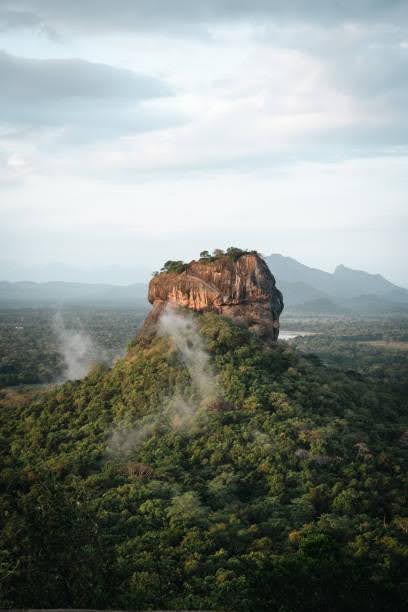
4. Safety for Solo Women Travellers
Sri Lanka is generally considered a safe destination for solo female travellers. Thousands of women visit the island every year for holidays, yoga retreats, surfing trips, and cultural tours. Many report positive experiences and describe the country as friendly and welcoming.
However, like many destinations in South Asia, some challenges can occur, especially in crowded cities or public transport. Occasional catcalling, staring, or unwanted attention may happen. While this is usually verbal and not physically threatening, it can feel uncomfortable. Minor scams, particularly involving transport or overcharging, can also occur if travellers are not careful.
The good news is that serious crimes against female tourists are rare, especially in popular tourist areas. Most visits are trouble-free when simple precautions are followed.
Common Situations to Be Aware Of
- Extra attention in busy city areas or local buses
- Tuk-tuk drivers offering unofficial “free tours” or detours
- Strangers being overly friendly and asking too many personal questions
Practical Safety Tips for Women
- Use registered taxis or ride-hailing apps like PickMe,Uber,Hela Go especially at night.
- Avoid walking alone in dark or isolated streets, particularly in unfamiliar areas.
- Stay in well-reviewed and well-lit accommodations, preferably in central locations.
- Dress modestly in rural or conservative areas to avoid unwanted attention.
- Trust your instincts if a situation feels uncomfortable, leave immediately.
- Keep family or friends informed about your travel plans.
Many solo female travellers say that once they move beyond busy transport hubs and large cities, they feel very safe in beach towns, hill country villages, and resort areas.
With awareness, confidence, and basic precautions, Sri Lanka can be a rewarding and safe destination for women travelling alone.
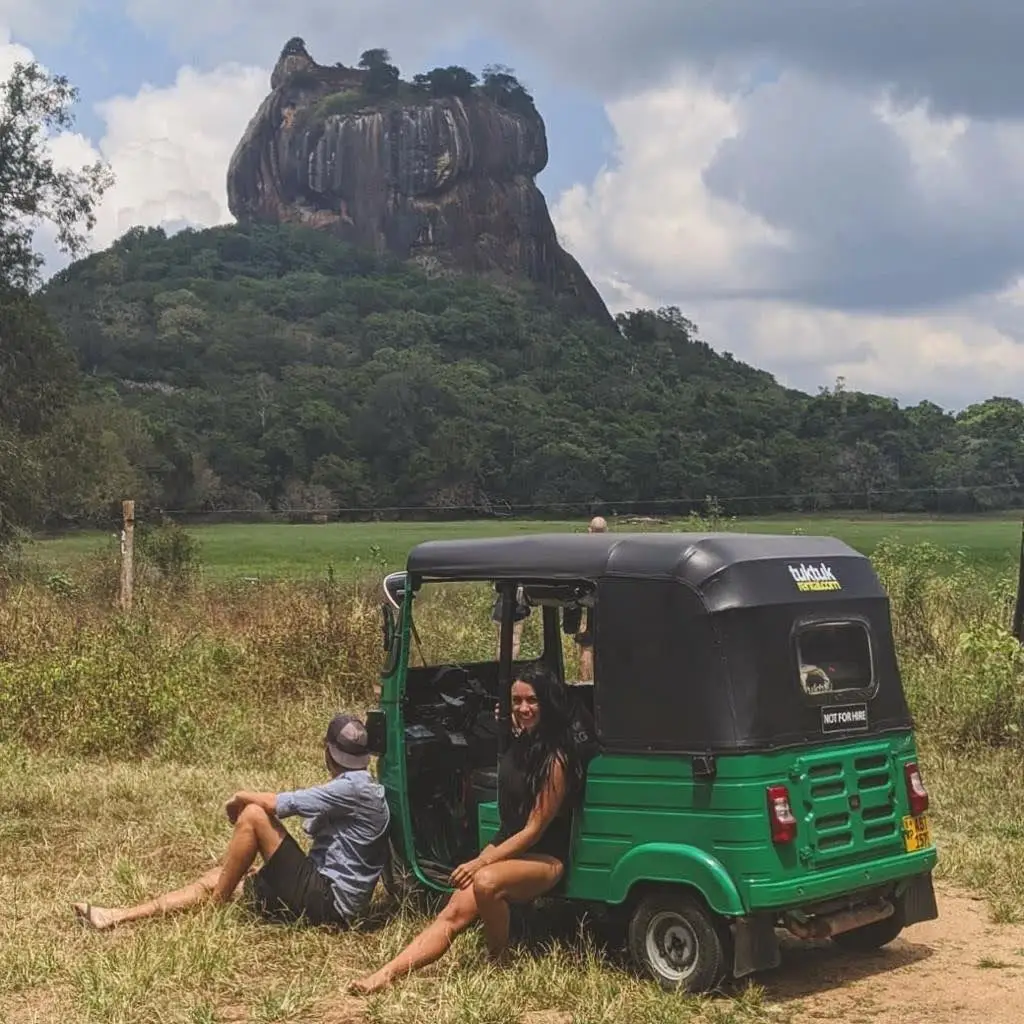
5. Tuk‑Tuks and Local Transport
Tuk-tuks are one of the most popular and convenient ways to travel short distances in Sri Lanka. They are available almost everywhere from busy cities like Colombo to small coastal towns and rural villages. Many travellers enjoy tuk-tuks because they are affordable, flexible, and easy to find.
However, it is important to agree on the fare before starting your ride, unless you are using a metered tuk-tuk or a ride-hailing app. Misunderstandings about prices can happen, especially in tourist areas. Apps like PickMe and Uber help reduce this problem by showing fixed prices and driver details in advance.
Road Safety in Sri Lanka
Road safety is one of the main travel concerns in Sri Lanka. Traffic can be busy and unpredictable, particularly in cities and on rural highways. Public buses sometimes drive fast, overtake frequently, and may not always follow strict traffic rules.
Rural roads, especially in hilly regions, can be narrow, steep, and poorly lit at night. During heavy rain, these roads can become slippery, increasing the risk of accidents.
Safety Tips for Transport
- Always agree on tuk-tuk fares before starting the journey, or use a trusted ride-hailing app.
- Avoid travelling on night buses, especially in hilly or remote areas.
- Choose experienced private drivers for long trips, particularly when travelling with family or luggage.
- Wear seatbelts when available, and sit properly inside tuk-tuks without leaning out.
- Allow extra travel time during peak traffic hours or bad weather.
With proper planning and careful choices, transport in Sri Lanka can be safe and comfortable. Many visitors travel across the island without any problems, especially when using reliable drivers and reputable services.
6. Public Transport (Trains and Buses)
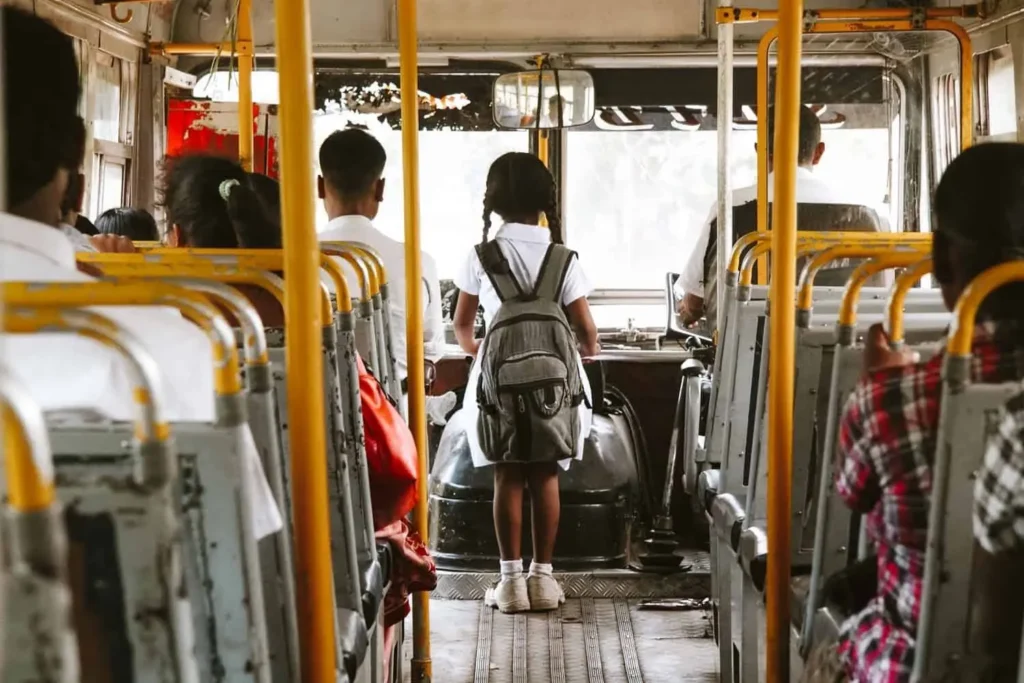
Public transport in Sri Lanka is affordable and widely available, making it a popular option for both locals and budget travellers. Buses and trains connect most parts of the country, including cities, beaches, and hill country destinations.
However, public buses can sometimes be crowded, noisy, and fast-moving, especially during peak hours. In busy conditions, there is a small risk of pickpocketing or uncomfortable situations, particularly for tourists who are not used to crowded public transport. Keeping your belongings secure and staying aware of your surroundings is important.
Trains are generally considered a safer and more comfortable option compared to buses. Scenic routes such as Colombo to Ella and Kandy to Nuwara Eliya are world-famous for their beautiful views of tea plantations, mountains, and waterfalls. These routes are popular with tourists and are generally safe when you follow basic precautions.
One important safety note: some travellers like to stand near open train doors for photos. While this is common, it can be dangerous. Always remain inside the carriage and hold onto secure handrails if standing.
Safety Tips for Public Transport
- Travel during daylight hours whenever possible, especially on long routes.
- Keep your bags close to your body and use anti-theft pouches or backpacks with secure zippers.
- Avoid displaying expensive items like jewellery or large amounts of cash.
- Book reserved seats on trains for long journeys to ensure more comfort and safety.
- Allow extra time for possible delays, particularly during rainy seasons.
Overall, public transport in Sri Lanka is safe for most travellers, especially when basic safety habits are followed. Many visitors enjoy memorable train journeys across the island without any problems.
7. Public Places Beaches, Parks, Cities
Sri Lanka’s beaches, national parks, and city attractions are among the safest and most enjoyable parts of the country. Popular coastal areas like Galle, Mirissa, and Unawatuna welcome thousands of visitors each year and are generally safe for swimming, relaxing, and water sports.
However, travellers should be aware that Sri Lanka’s coastline can have strong waves, rip currents, and sudden deep areas, especially during monsoon seasons. Not all beaches have lifeguards on duty. Swimming in unmarked areas can be risky, even for experienced swimmers. Always check local advice before entering the water.
Beach Safety Tips
- Swim only in areas marked safe or supervised by lifeguards.
- Observe warning flags and signs.
- Avoid swimming alone, especially during rough sea conditions.
- Ask hotel staff or local guides about sea conditions before swimming.
National Parks and Wildlife Safety
Sri Lanka is famous for its wildlife experiences. Parks like Yala National Park, Udawalawe National Park, and Wilpattu National Park offer incredible opportunities to see elephants, leopards, deer, and many bird species.
Safaris are generally very safe when organised through licensed operators. Jeeps are driven by experienced drivers who understand park rules and animal behaviour. However, wildlife is unpredictable, and maintaining safe distance is very important.
Wildlife Safety Tips
- Always follow your guide’s instructions.
- Stay inside the safari vehicle at all times unless clearly permitted.
- Never attempt to feed or approach wild animals.
- Keep noise levels low to avoid disturbing wildlife.
Safety in Cities and Public Areas
In busy public places such as markets, shopping streets, and festivals, the atmosphere is lively and welcoming. Tourist police units operate in major cities and popular destinations to assist visitors when needed.
Basic precautions such as keeping valuables secure, avoiding isolated areas late at night, and staying aware of surroundings are enough for most travellers to enjoy a safe visit.
Overall, Sri Lanka’s beaches, parks, and public areas are safe and enjoyable when visitors follow simple safety guidelines. With awareness and respect for nature, travellers can fully enjoy the island’s natural beauty and wildlife experiences.
Conclusion: Is Sri Lanka Safe for Travel in 2026?
Yes , Sri Lanka is safe for most travellers in 2026, especially if you take common‑sense precautions. Major tourist destinations are open, visitor support services are strong, and crime against tourists is low.
But remember: exercise caution around public protests, unpredictable weather in hill regions, road travel at night, and personal belongings in crowded areas.
Safe Travel Tips to Remember:
- Get travel insurance and local mobile alerts.
- Use trusted transport options.
- Respect local culture and customs
- Stay aware of weather and safety advice